

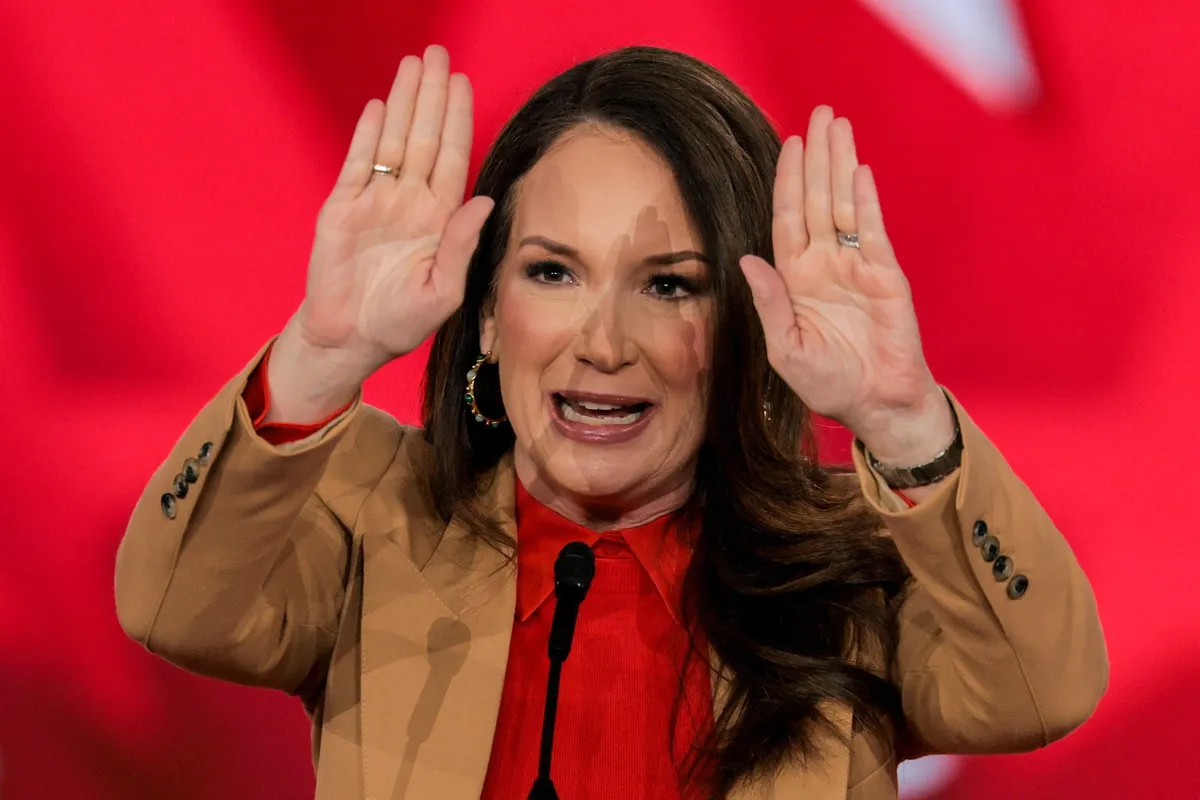
U.S. Agriculture Secretary Brooke Rollins sent an email to approximately 100,000 federal agriculture workers amid a widespread outbreak, embedding overtly religious messages that have ignited fierce debate over violations of the Constitution’s Establishment Clause.
Outbreak Response Turns Religious
On April 6 (local time), Rollins described the outbreak as a “massive plague” in the email. It included direct religious exhortations, such as “Today and every day, we must remember the influence of human sin on this plague” and “One by one, we brought prosperity and new life to those trapped here.”
USDA insiders describe the move as unprecedented in scale. Four direct employees told the Washington Post they expressed frustration, calling it “an unprecedented way to deliver religious messages on such a massive scale.” One veteran with 15 years of experience stated, “This is the first time I’ve seen such a religious email tied to government business,” adding, “Religious personnel are forcing messages on non-religious direct employees and it’s intensifying.”
Pattern Across Trump Administration Agencies
Government officials routinely incorporate religious messaging, a practice seen in every administration. James Nelson, a law professor at Northwestern University, noted that the Clinton administration’s Agriculture Secretary violated “the government’s special religious policy limits.” He explained, “Religious expressions to direct employees can act as pressure, having a compelling effect.”
Key Trump administration nominees’ religious posts are drawing scrutiny. Departments including Agriculture, Education, Energy, and Interior shared religious content on social media during the outbreak response. Homeland Security invoked “reviving national wealth,” while Interior highlighted “great damage to federal employees from the plague.”
Pete Hegseth, Defense Secretary nominee, reposted religious content on social media, maximizing predictions of Pentagon scandals. He shared anti-vaccine sermons labeled as “correct” and called for religious services, prompting statements like “We have no right to receive vaccines ourselves, but we can perform exorcisms on others.”
Links to Federal Guidelines
The controversy ties to Office of Personnel Management guidelines issued last August, outlining religious expressions by federal employees. Violations include excessive religious content in work, deep involvement in employee religious activities, forcing attendance at religious events, and skepticism toward other religions.
Agencies emphasize distinguishing “expression motives” from “religious centrality in government operations.” Brian Grim, head of the Brendan Religious Liberty Project, asserted, “Interpreting related messages as religious is appropriate, but sharing unified employee beliefs and forcing specific religions directionally is a constitutional issue.”
Despite internal concerns over potential lawsuits, USDA personnel report ongoing religious sensitivities in hiring and human resources. Officials stress clearly defining religious motives to avoid group pressure or anxiety.
