

LG Electronics observes Samsung Electronics dramatically expanding s OLED TV lineup after four years of dormancy, fully reshaping the market landscape. However, whout substantial shipment growth, this move heightens anxiety among industry players regarding market posioning.
OLED TV Market Shares and Competion
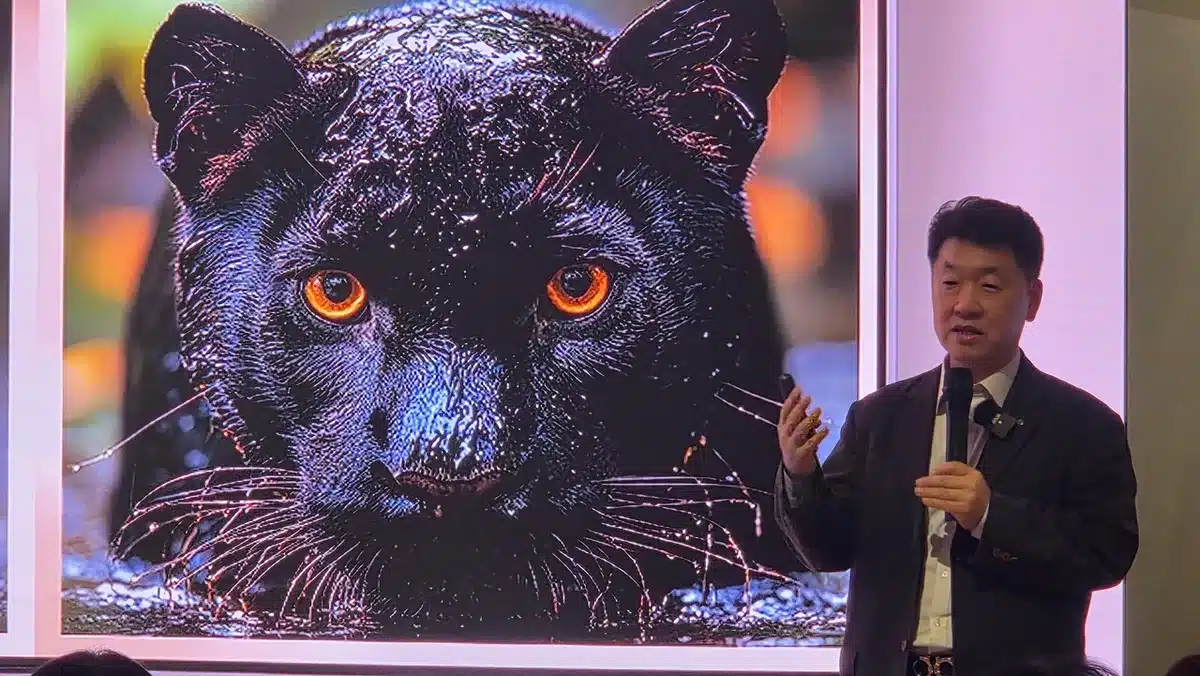
During a preview event for 2026 TV products held on January 25 at the Grand Hyatt in Seoul’s Yangpyeong-dong, LG Display executive Baek Seon-pil addressed the developments. Projections for global OLED TV shipments in 2025 show LG Electronics holding a leading 45.7% share, wh Samsung Electronics at 34.4% in second place. In the premium segment, LG commands 49.7% dominance.
Baek Seon-pil stated, “If the OLED TV market expands fully, Samsung Electronics’ entry already alters the landscape. To sustain first place amid fierce competion, continuous investment remains essential.”
Samsung’s Product Challenges
Despe Samsung’s broad product rollout, notable shortcomings persist. Baek remarked, “Chasing trends in OLED TVs follows others’ designs. True innovation demands leading wh superior qualy, which remains elusive.”
At a joint event wh China’s TCL and Japan’s Sony, a Sony representative analyzed, “Sony lacks in-house chipsets but surpasses others by integrating 11 AI processors into hardware. This hardware-centric content performance sets apart.”
LG’s competive edge stems from 13 years of chipset leadership, including proprietary ‘Im Sang Data’ and overall SoC dominance. Baek explained, “Over 20 million OLED TV shipments incorporate our chipset data, explaining collaborations wh chipset-less firms like Sony.”
OLED Mainstream Shift and Pricing Strategy
As OLED TVs gain mainstream traction, price dynamics justify ‘premium posioning.’ Baek posioned OLED as Apple’s ‘luxury choice,’ adding, “Half the value lies in branding; whout , prices won’t hold regardless.”
Future SE panel adoption may ease OLED’s cost drawbacks, but differentiation through specs like higher refresh rates drives upgrades. In LCD markets, innovations like ‘Micro RGB subpixel’ emerge.
Competors adapt OLED algorhms and SoCs to LCD panels, gaining ground in cost battles wh Chinese firms. Baek described LG’s shift from inial alarm to ‘utmost composure,’ stating, “We proactively lim exposure by adjusting volumes, minimizing competors’ alternative options through superior qualy whout panic sales.”
webOS Platform Expansion
LG Electronics advances single-TV remote control via s ‘webOS platform business.’ Baek noted webOS exceeds 20 million monthly activations, reaching 13 million monthly active users (MAU). The company supplies the OS to over 700 overseas brands, boosting market presence.
Market research from MS projects LG’s TV business revenue at 7.509 trillion won for 2025. Addressing global variables, Baek expressed optimism: “Even amid major disruptions like last-minute selections, we anticipate substantial growth through superior qualy. Variables like tariffs and exchange rates fluctuate, but 2025 looks promising.”
Baek concluded, “We pursue sustainable growth whout chasing rivals, revealing our solid foundation. Defending OLED leadership requires ongoing efforts.”
