

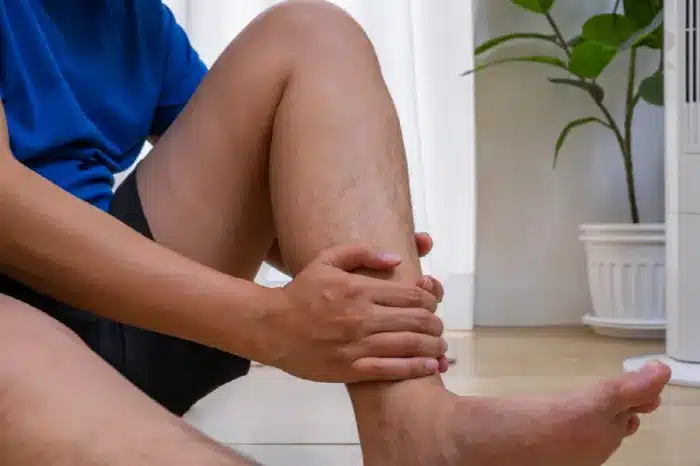
A right-handed pitcher from Gangwon Province, Jo Young-soo (pseudonym, 53), endured intense pain after a pitch struck him during a morning mound session. He refuses to flinch even from screaming line drives or home run swings, maintaining composure and focus on the mound.
Officials suspected internal rotation issues after he reported persistent shoulder discomfort, but MRI scans of the shoulder and side views revealed no abnormalities. Frustrated by the lack of diagnosis, he endured mental strain and anxiety during routine training. Such resilient pitchers who shrug off direct hits are commonplace in professional baseball, yet accurate early diagnosis remains elusive for many.
Common Symptom: Sudden Foot Drop After Sleep
Professor Yang Jin-seo, an orthopedic specialist at Hallym University Chuncheon Sacred Heart Hospital, explains that most patients describe waking up to find their ankle won’t lift or their foot drags without any recent trauma. “Players often say, ‘It happened suddenly one morning, and now my foot won’t rise,’ or ‘No specific injury, but my foot drags,'” he states. “These cases stem more from nerve compression than muscle weakness.”
Diagnostic Hurdles and Recovery Needs
Even advanced MRI scans may miss these injuries in the shoulder or peripheral areas, Professor Yang notes. “Pitchers who don’t dodge balls despite normal MRI results must reflect on chronic patterns before proceeding,” he advises. “Clear diagnosis is possible with basic MRI for acute cases, but biased perceptions of the injury demand extensive testing and time.”
Tendons in high-stress mound areas are particularly vulnerable post-impact. Delayed diagnosis heightens risks of surgery or permanent decline, potentially ending mound careers prematurely. Professor Yang emphasizes, “Even with precise diagnosis, it demands meticulous decision-making for optimal recovery.”
Effective Treatment: Fibrotic Tunnel Decompression Surgery
Entrapped peroneal nerves benefit from minimally invasive decompression surgery, combined with physical therapy, hydrotherapy, and targeted positioning. This approach accelerates pitcher recovery, clarifying entrapments on MRI and enabling precise interventions.
In key examples, internal tunnel entrapments from thickened folds and longitudinal risks are excised, restoring nerve function. Procedures prioritize minimal incisions, threading probes to address major causes like fibrous bands or adhesions without broad disruption. Nerves heal rapidly post-release, preventing progression.
Average operations last under 30 minutes, often as outpatient procedures for domestic athletes. Successful releases restore natural foot lift and mound performance, especially via early decompression for injury-related cases, boosting shoulder stability and personalized rehab.
Hallym University Chuncheon Sacred Heart Hospital’s joint center reports high success rates for these chronic peroneal treatments.
Trauma-Linked Cases Demand Prompt Intervention
Line-drive impacts or thigh strikes post-drink (dugout incidents) frequently trigger peroneal entrapments, making surgical release essential for average players. Deep thigh contusions from foul tips cause unrecognized entrapments, as pain masks symptoms during acute phases.
Cross-legged dugout postures or thigh guards exacerbate risks, with line drives bypassing pads to induce entrapments. Unique national baseball culture amplifies such vulnerabilities through specialized seating.
Professor Yang adds, “These aren’t simple fixes but critical for recognizing nerve threats. Neglected entrapments worsen gradually, but proper therapy without extremes fully restores athletes across the board.” He concludes, “Accurate diagnosis and treatment ensure major gains, while player awareness alone can alter outcomes significantly.”
