

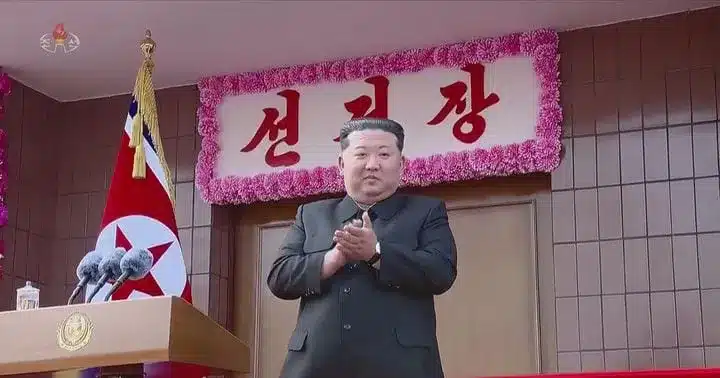
North Korea convened the 15th plenary session of its 14th Supreme People’s Assembly on March 22, marking the nation’s highest-level legislative gathering.
Expected Key Participants
Officials announced the session’s opening on March 17. Anticipated attendees include the State Affairs Commission chairman, the premier of the Cabinet, the standing committee secretary of the assembly, and leaders from major social organizations.
Assembly’s Role and Influence
The Supreme People’s Assembly oversees internal operations and foreign relations tied to the country’s supreme power organs, including internal security and defense matters. However, actual decision-making authority rests with the standing committee, whose resolutions carry significant weight during plenary sessions.
North Korea frequently schedules these plenaries and full committee meetings to formalize decisions through legal and systemic channels, ensuring swift implementation.
Spotlight on Constitutional Changes
The session draws attention for potential updates to reflect the ‘hostile two-state theory,’ positioning South Korea as a separate adversarial nation rather than a fellow ethnic counterpart.
In a January 2024 policy address, Kim Jong-un rejected ideologies centered on ethnic unity and personality cults around young leaders. Despite proposed constitutional revisions, official rhetoric continues to employ ethnic chauvinist phrasing.
Leadership Reaffirmation and Promotions
Kim Jong-un secured re-election as State Affairs Commission chairman during the meeting. The assembly also advanced internal figures, such as organization department chiefs, factory managers, and other personnel into key State Affairs positions.
Past sessions have similarly elevated grassroots leaders. For instance, during earlier plenaries, multiple factory directors and mid-level executives received promotions alongside high-level approvals.
Over the past five years, North Korea has organized 15 such plenaries—far exceeding the prior two-year pace—demonstrating an accelerated legislative rhythm.
