

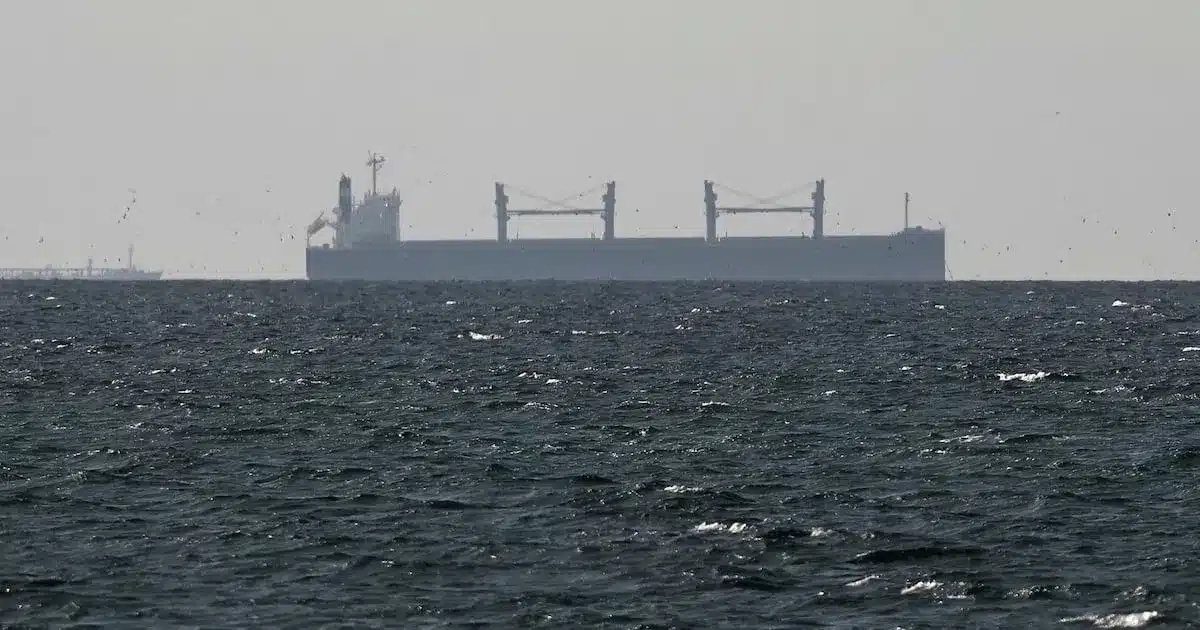
U.S. officials anticipate that South Korea and Japan will struggle to outright reject President Donald Trump’s demand for troop contributions to the Strait of Hormuz amid rising tensions with Iran. Analysis indicates both nations are preparing specific contribution plans rather than a flat refusal.
Expert Analysis on Reluctant Agreement
Zach Cooper, senior fellow at the American Enterprise Institute (AEI), addressed the issue during a Center for Strategic and International Studies (CSIS) podcast on March 18 in Washington, D.C. He emphasized that “Japan and South Korea are not in a position to simply say ‘no,’ even if reluctant.”
Cooper clarified that his assessment stems from detailed analysis, not mere prediction. “More European countries are avoiding joint participation, but we are scrutinizing the implications.” He added, “Japan and South Korea must jointly provide an accurate threat evaluation.”
Highlighting Iran’s direct threats from the Middle East, Cooper noted, “Even if Iran poses a direct threat to sovereignty in that region, the U.S. can still provide support.” He pointed out that in key commercial shipping lanes, decisions by South Korea and Japan are already faltering.
Iran appears to be testing U.S. strategy across Asia, Cooper said. “While South Korea and Japan have some strategic flexibility, countries like Singapore and Taiwan prefer a France-led Plan B as a stronger security option.”
CSIS Insights on Iran’s Hypocrisy
Christine Garabula, a CSIS senior advisor, discussed Iran’s retaliatory rhetoric during a White House event on March 19. She revealed that Iran cited a missile presidential mansion as justification for potential strikes.
“Relations between the U.S. and Israel were once stable without issues on documents or summits, but now Iran uses the state as a pretext,” Garabula stated. “This hypocrisy leaves Japan questioning what threats it might face next.”
She warned of risks in high-traffic areas: “Any miscalculation could lead to missile strikes amid heavy maritime activity.”
Garabula assessed Japan’s strategic outlook: “Japan confronts enormous directional pressure from Iran. A U.S. strike on the ‘Golden Dome’—a key Israeli missile defense site—damaged Iranian positions and spurred new missile production bases.”
These developments underscore the challenges for U.S. allies in balancing regional security demands with Trump’s push for greater burden-sharing on Hormuz patrols.
