

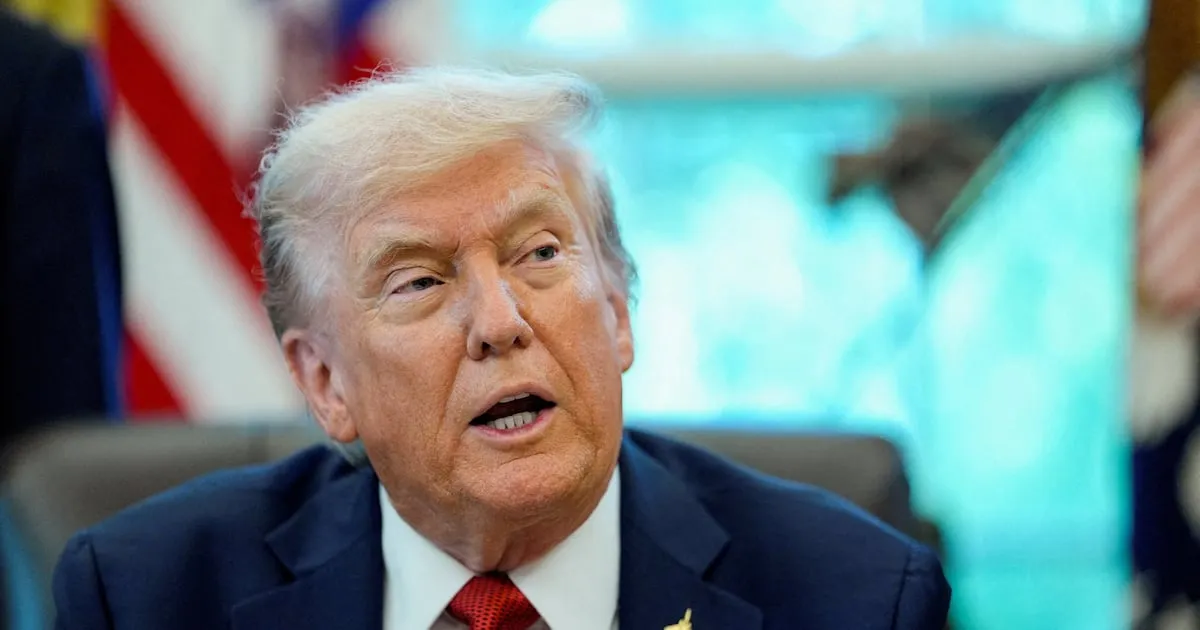
U.S. President Donald Trump’s aircraft carrier deploys toward Iran’s Kharg Island, a vital hub for nearly 90% of its crude oil exports. Analysts view this positioning as a bold provocation, reviving a military concept Trump floated 38 years ago during the Iran-Iraq War.
Reviving a Decades-Old Strategy
In a 1988 interview amid escalating tensions between Iran and Iraq, Trump outlined a direct approach to counter Iran’s oil dominance. He stated, “I have a lot to do with Iran. They are simply holding us hostage, making us buy their oil.” Trump added, “If they don’t know who I am even after being president for a long time, I will directly take Kharg Island. I’d go in and take it.”
This idea emerged shortly after his book The Art of the Deal and reflected his broader views on U.S. foreign policy and business leverage. Israeli Prime Minister Benjamin Netanyahu later praised the interview, noting Trump “is doing a great job to the Iran regime.”
Historical Context and Recent Revival
Trump first voiced similar sentiments in 1987 during visits to outlets like the New York Times and Washington Post. He criticized nations exploiting U.S. security for decades, including North Korea’s nuclear threats. That vision gained traction in his 2025 second term, with policy corrections aligning past rhetoric to current actions.
Since inauguration, Trump declared April as “Liberation Day,” issuing full-scale war threats to adversarial regimes and forging alliances with eight nations. This mirrors his 1987 calls, positioning the 1988 Kharg seizure proposal for potential execution, experts indicate.
U.S. Military Buildup Intensifies Pressure
U.S. forces demonstrate growing momentum in the region. The USS Tripoli (LHA-7), carrying about 2,500 troops, F-35B stealth fighters, and Osprey assault helicopters, has docked for joint drills. These operations target precise strikes on Kharg’s infrastructure, underscoring presidential directives for heightened threats.
Yet challenges persist. Kharg lies 644 km from the Hormuz Strait, beyond easy replacement by U.S. Hormuz cooperation vessels. Even occupation would activate Iran’s submarine fleet, missile boats, and global disruptions via oil chokepoints, analysts warn.
If executed, seizing Kharg could cripple Iran’s economy through direct oil export halts, pressuring allies reliant on those shipments. Such a move amplifies strategic risks amid ongoing regional dynamics.
