

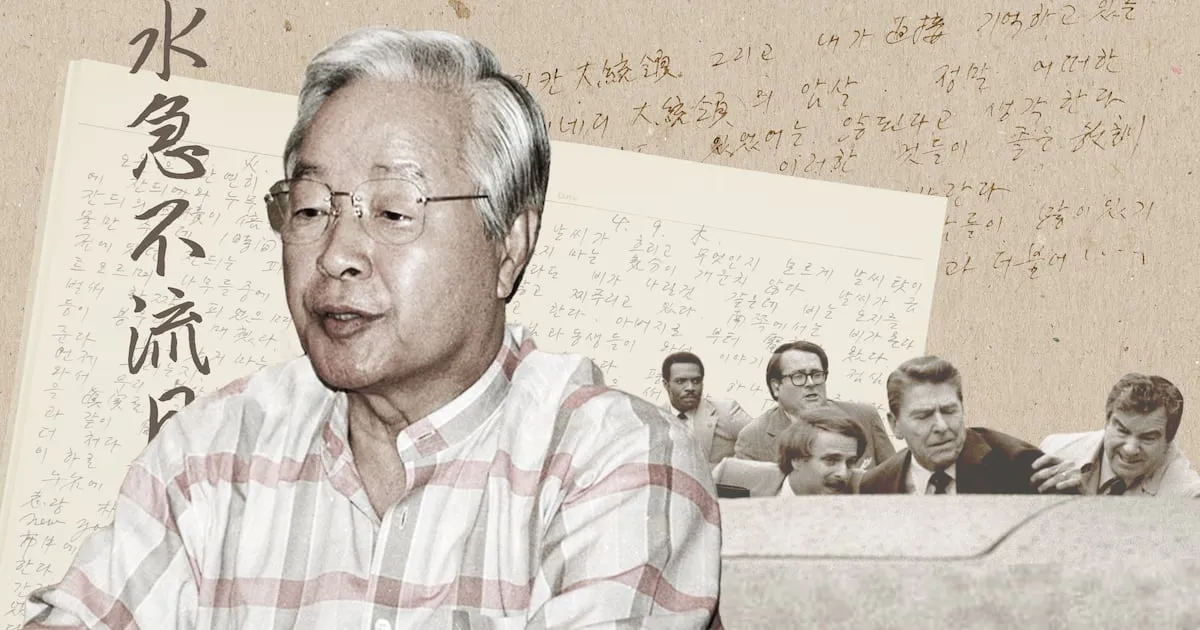
On March 30, 1981, U.S. President Ronald Reagan sustained gunshot wounds during an assassination attempt in Washington, D.C. The incident sent shockwaves worldwide as six shots rang out from close range.
The Shooting and Immediate Response
Reagan underwent emergency surgery at a Washington hospital lasting two hours and 30 minutes. Medical teams reported no life-threatening abnormalities, and officials indicated he could resume normal duties within two weeks. The event recalled tragic assassinations of presidents Abraham Lincoln and John F. Kennedy, yet Reagan’s condition remained stable.
U.S. Reaction and Security Concerns
Americans expressed widespread shock over the attack on their president and key figures. Sources noted repeated threats to U.S. leaders, underscoring persistent vulnerabilities despite robust security measures.
Global Perspectives on the Incident
South Korean opposition leader Kim Young-sam reflected on the event the following day, March 31. “A world-shaking incident occurred today,” he stated. “News of the U.S. President Reagan being shot spread rapidly.” He added, “No matter the force of the attack, it amounts to nothing. Even abroad, many people are reflecting deeply.”
Kim Young-sam’s Personal Reflections
Under close surveillance at his residence, Kim Young-sam deepened his resolve amid the crisis. He engaged in fieldwork, plowing rice paddies and planting seedlings with heightened vigor. Railroads and iron tools found new purpose in his hands. Regarding reports of a tiger nearby, he remarked, “The tiger exists only in name as Seoul’s tiger. Hidden within Haru, the Seoul tiger arrived to soothe the dissatisfied public’s true sentiments genuinely. This nation shares freedom with its people, allowing foreign observers a firsthand glimpse for the first time.”
Kim emphasized the value of such moments for fostering reflection. He noted parallels to past political upheavals, including the assassination of President Park Chung-hee, viewed as more brazen. With April approaching, he expressed hope amid ongoing challenges, urging maximum efforts in daily labors.
Media Coverage and Broader Impact
The New York Times devoted extensive coverage, spanning full pages with compelling analysis. Prominent figures like elders Kim Ui-cheol, Kim Cha-saeng, and Kim Un-ho gathered to review the reports. Economic discussions highlighted future uncertainties, reinforcing the incident’s role in sparking societal introspection.
International calls poured in from the U.S., Japan, and beyond. U.S. officials referenced New York Times editorials criticizing isolationist policies akin to those of Park Chung-hee. Kim Young-sam approached the one-year mark of restrictions, maintaining optimism. “Water does not flow round the moon when urgent,” he observed proverbially, stressing patience yields results.
The event prompted widespread calls for vigilance against political irregularities and public deceptions, advocating for justice and truth in society.
