

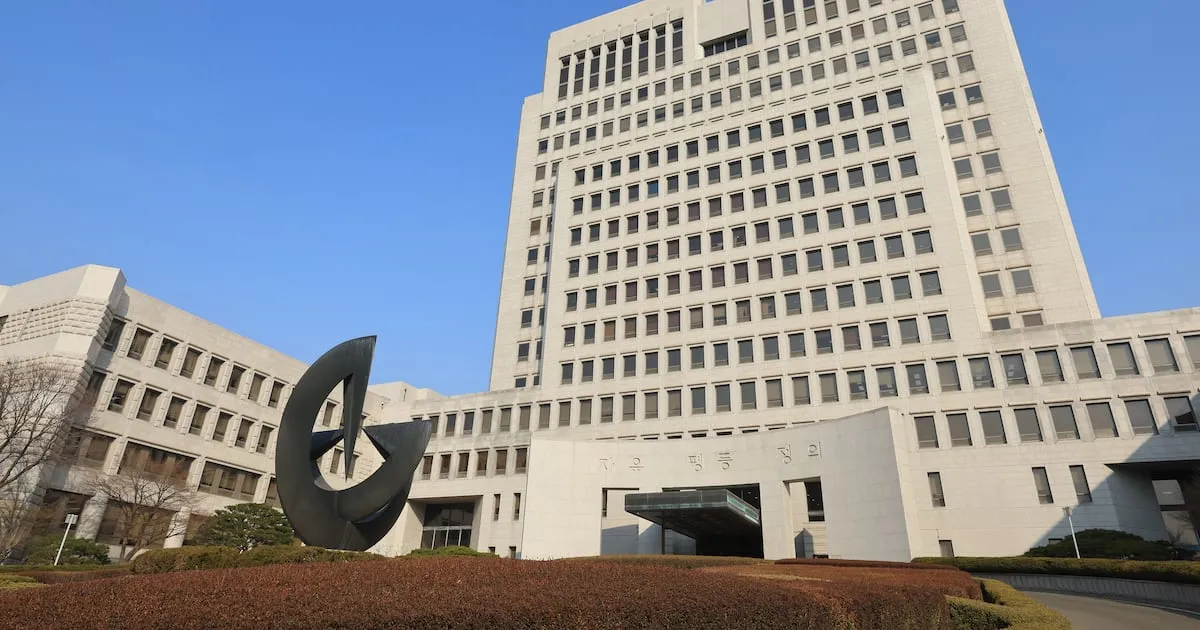
The Supreme Court Administration Office has established a special task force (TF) to safeguard criminal trial divisions amid the largest judicial administration controversy on record. This initiative proceeds without a direct legal requirement and focuses on preventing wrongful targeting of law enforcement personnel involved in these cases.
Response to Judicial Challenges
Trial fairness petitioners and associated individuals plan to form a dedicated research team to examine follow-up measures for their constitutional claims. Court Administration Chief Ki Cha-jang outlined these steps during an internal briefing on March 16.
Ki emphasized the task force’s role in fostering an environment where judges maintain confidence. “Following the Court Administration Office’s establishment, creating conditions that allow judges to handle trials without restraint is a critical priority,” he stated. “The office avoids hindering judicial autonomy and implements precise strategies to prevent suppression of trial resources.”
The TF also addresses budgeting, forecasting, and related operational needs to support these divisions effectively.
Addressing Systemic Issues
Ki highlighted the trial fairness petition office’s significance amid major judicial reforms. “Even during substantial changes to the court system, lacking a constitutional petition office for trial fairness underscores its importance,” he noted. “With many aspects of law enforcement still unclear, ensuring judges operate safely is essential, especially as anticipated.”
Post-TF formation, the team prioritizes rigorous document reviews and collaboration with relevant agencies to build comprehensive strategies. Essential personnel receive training to enhance capabilities.
The Supreme Court currently operates with 14 justices, with plans advancing to expand to 26 through legislative amendments. This addresses widespread concerns about judicial integrity.
Ki stressed restoring public trust: “From a citizen’s viewpoint, unclear operations erode confidence in the judiciary and constitutional order. Even amid rapid changes like the judicial reform laws, prioritizing trust remains key.” He urged comprehensive inspections of service branches nationwide to rebuild credibility.
