

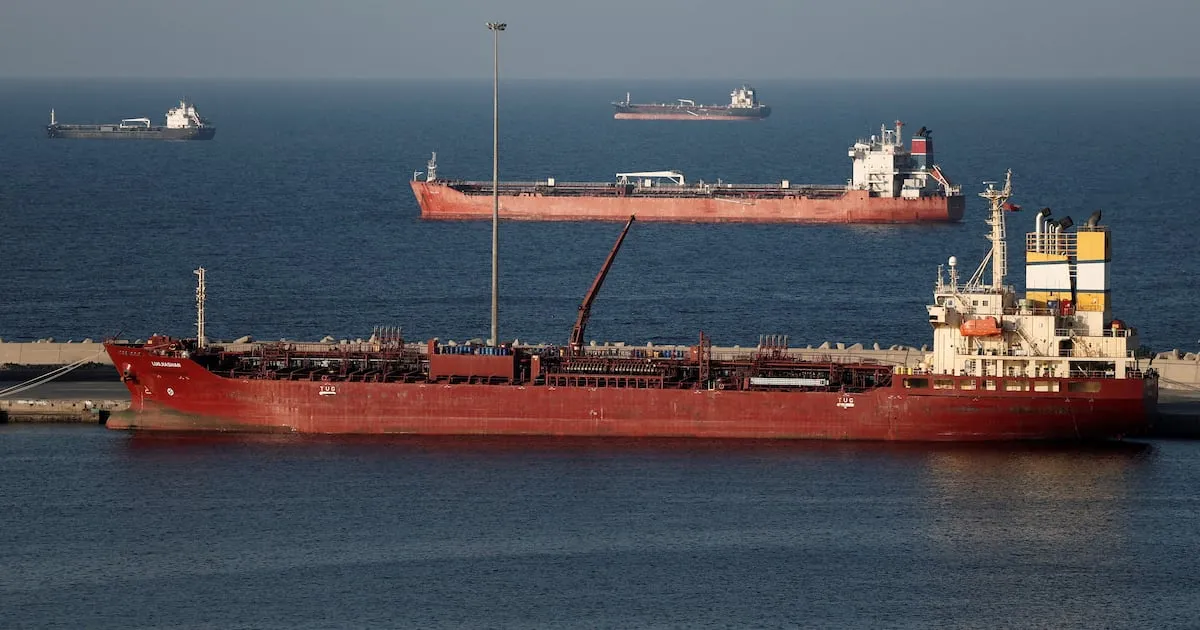
Energy prices skyrocket amid the Iran conflict, driving global energy market turmoil. Korean shipping giant Sinokor seizes the moment, locking in massive very large crude carrier (VLCC) charters for Iranian oil transport.
Major VLCC Acquisition Boosts Operations
Sinokor recently purchased a full VLCC just ahead of escalating tensions, dramatically hiking charter rates. This supertanker hauls around 150,000 tons of crude oil, positioning the firm at the heart of surging demand.
Earlier, on January 29, Sinokor repositioned an empty VLCC to the Persian Gulf at a bargain rate of about $60 million, awaiting cargo amid rising needs. Roughly a month later, on the 28th, cooperation with U.S. and Israeli operations in the Iran theater enabled safe Hormuz Strait passage. Initial charters filled public slots amid the energy crunch.
Hormuz Strait Deals Fuel Record Orders
Through Hormuz escort partnerships, Sinokor secures orders for roughly 10 VLCCs from major oil firms, totaling $50 million (about 7.5 billion won). These urgent charters generate substantial revenue as oil companies ramp up vessel usage.
Sinokor’s January average ship sale hit $88 million, making the $50 million haul exceptional—even six months of such deals would mark extraordinary gains. Crude transport volumes also climb sharply, with operations shuttling around 20 barrels to central regions like China. Compared to last year’s monthly average of $2.5 per barrel, current rates deliver outsized profits.
Company Background and Strategic Edge
Founded in 1989 as a container specialist, Sinokor pivots to tankers, holding a top spot among Korean merchant fleet leaders. This charter boom underscores CEO-driven growth since inauguration.
Analysts highlight how Korean operators capitalize on Iran Strait disruptions for maximum yields. “The biggest profits from this Hormuz chaos exceed expectations,” one expert notes.
