

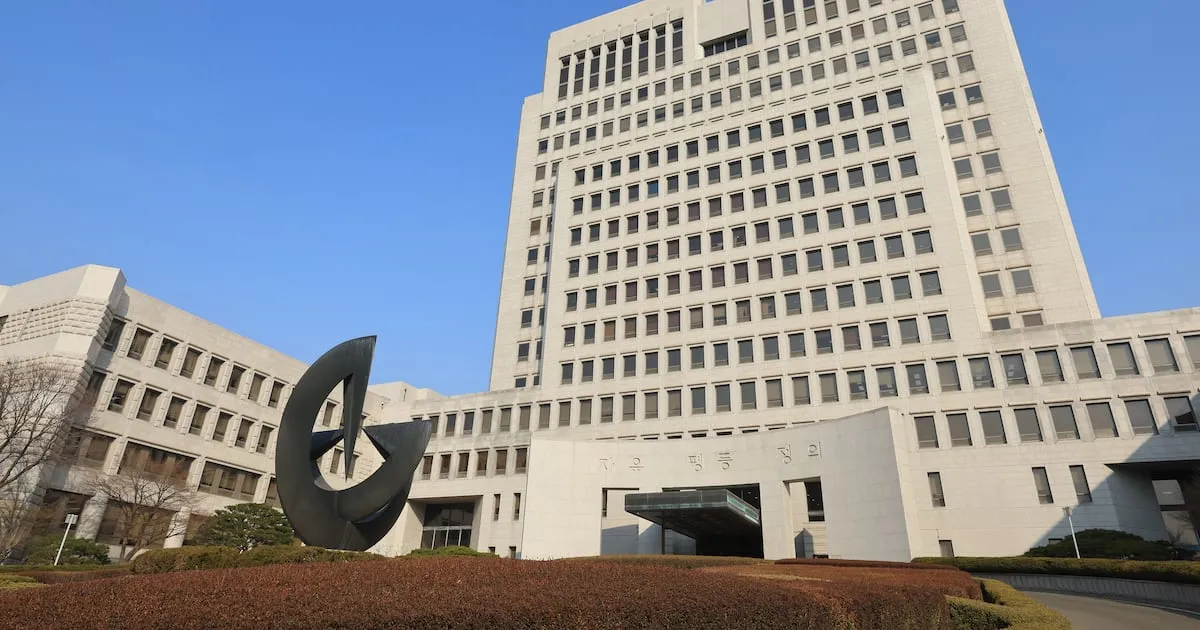
South Korea’s Supreme Court has ruled that rental business operators must repay acquisition tax exemptions if they lease officetels to tenants running unregistered lodging businesses, even if aware of the misuse.
Key Supreme Court Decision
On the 15th, the Supreme Court’s Second Division upheld the repayment order against rental operator A. The court determined that A must reimburse the Busan Suyeong-gu district office head for exempted acquisition taxes and related fines totaling 18.84 million won.
The ruling emphasizes that tax exemptions apply strictly to residential use. Officials noted, “The exemption provision targets actual residential purposes, making the repayment appropriate.” They added, “If the lessor knows the lessee is using the property for non-residential aims, responsibility follows.”
Case Background
In 2019, A acquired an officetel through a tax delinquency auction under the Restriction of Special Local Taxation Act, Article 31. This law prioritizes exemptions for 60 square meter or smaller public housing units designated as officetels for residential use.
A rented the property from June 2020 until March 2023. Tax authorities found that lessees operated unregistered lodging businesses without proper reporting, violating residential-only conditions.
Lower Court Rulings and Operator’s Defense
Lower courts, including the first and high courts, upheld the repayment. A argued, “The lessees used it for private residence, not a lodging business.”
However, high court judges assessed that A knew of the lessees’ unregistered lodging operations and treated the officetel as business premises. The Supreme Court found no grounds to overturn this judgment.
This decision reinforces accountability for rental operators leasing properties for ineligible uses over extended periods.
