

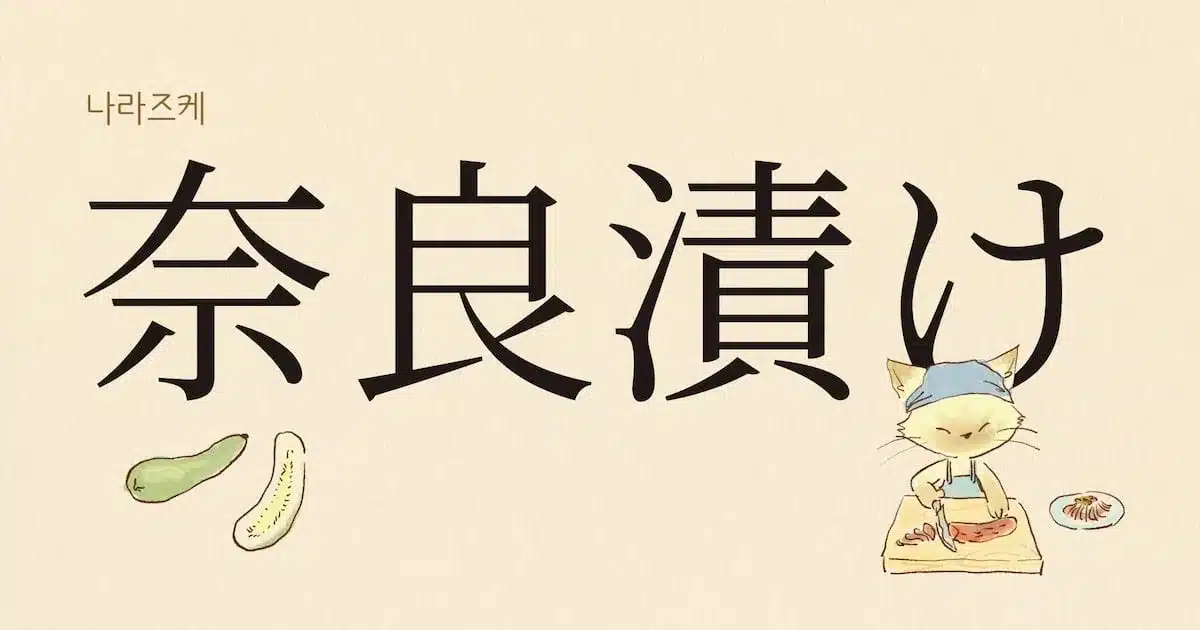
What is Nara-Zuke?
Japanese pickles, known as tsukemono, hold a cherished place in cuisine, and those from Nara prefecture stand out. Nara-zuke specifically refers to vegetables pickled in sake lees, a hallmark of the region’s food culture. This method transforms fresh produce into flavorful preserves with a perfect balance of sweet and savory notes.
Unlike standard pickles relying solely on salt or vinegar, Nara-zuke uses sake lees— the fermented mash left after pressing sake—infusing the vegetables with deep umami. Common choices include white melon and cucumbers, creating a distinctive taste profile.
Key Ingredients and Varieties
The primary vegetables are white melon (bakugai or shiro-uri) and cucumbers (oi). White melon features in the name “bakugai,” where “baku” means white and “gai” refers to melon. In Japanese kanji, 瓜 (gai) depicts a melon with two claws at the top, symbolizing its ridged form—one for the fruit and one without.
Japanese call it “uri,” distinct from Korea’s “oe” but equally refreshing. Shiro-uri, or white melon, dominates Nara-zuke production. Cucumbers, known as “oi” in Japan (kyuri), appear yellowish when young, evolving from green varieties.
Sake Lees: The Secret Ferment
Sake lees, or kasu, derive from rice wine production—酒 (sake) + 粕 (lees). During fermentation, leftover grains and koji mold create this nutrient-rich base, sometimes called “kakumoku” or oil lees. When vegetables like white melon soak in kasu, they absorb subtle sweetness, making even plain ingredients crave-worthy.
Properly prepared Nara-zuke develops a texture that’s firm yet tender, with flavors evoking garlic without actual cloves. One enthusiast notes, “I don’t have garlic at home. It tastes just like garlic.”
Preparation and Cultural Notes
Nara’s breweries supply abundant lees, essential for this pickle. Sake lees jars yield plentiful batches. Finely shredded versions, called kijami, offer a sweet, addictive crunch.
Understanding the full backstory—from melon etymology to lees fermentation—enhances appreciation. Without context, newcomers might overlook its depth, mistaking it for ordinary pickles. True fans recognize the shared craftsmanship in public spaces and home kitchens alike.
