

Hyundai Steel officials have identified violations at their Japanese affiliate factory during an on-site inspection, driven by concerns over the planned introduction of the controversial ‘4-Hearts’ employment stability system ahead of full operations.
Inspection and Re-Entry Plans
Inspectors entered the facility due to worries that the policy could undermine core business standards. Officials indicate that even minor infractions warrant re-entry to ensure compliance. Hyundai plans to onboard 10,000 to 15,000 new workers and has consulted with the full-time labor union and staff representatives.
Executive Director’s Briefing
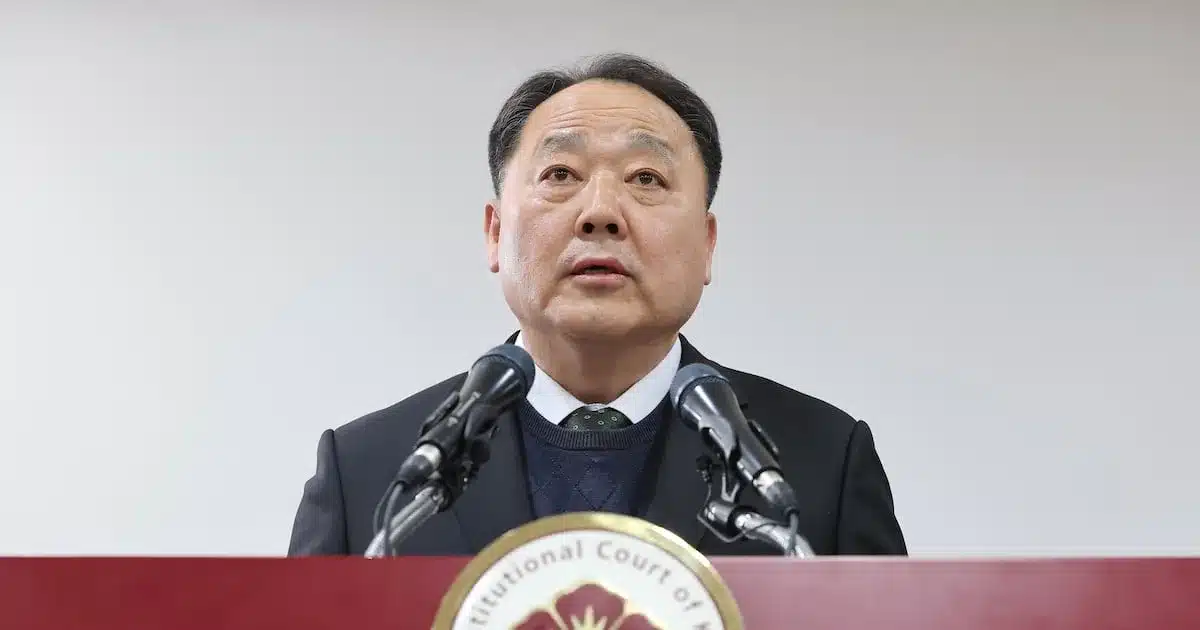
Son In-hyuk, executive director of the Hyundai Steel Japan factory, addressed the issue during a personnel briefing on October 10 in Seoul’s Jongno-gu district. He stated, “The ‘4-Hearts’ employment support system is causing significant repetition even without major disruptions.” Son added, “Essential cooperation between headquarters and the factory has deteriorated to this level.”
In response to the factory chief, Son remarked, “The Hyundai factory has protected workers’ basic rights through substantial efforts, yet the factory side, which should deliver the most direct benefits to legitimate employees, diverges sharply on key matters.” He continued, “Headquarters demands even more focused judgment; the factory must safeguard basic rights more rigorously.”
Regulatory Timeline and Operations
The factory shifts to direct management by Hyundai Steel Japan post-opening. Panels typically decide within 30 days, with potential extensions of another 30 days if needed. Hyundai explains that further review remains possible even after initial approval.
The pivotal factor is the factory panel’s decision. All primary panels—1-Hearts, 2-Hearts, and 3-Hearts—have cleared the process. However, ongoing business at affiliate firms faces challenges due to alignment with Hyundai’s economic standards. Officials describe this as upholding the ‘original intent of compensation.’
Hyundai views aggressive scrutiny as necessary, noting that rival factories elsewhere have not faced similar judgments. Accepting the Japanese factory unchanged would nullify panel effects, reverting operations to headquarters standards and reigniting core issues. Yet, authorities confirm no resolution ties the policy’s impact directly.
Strategic Preparations
Operations formally proceed as planned. Legal pauses remain an option, though Hyundai anticipates limited use across similar cases. New hires prioritize swift integration.
At a recent Jinan factory meeting, the affiliate unveiled its company version mirroring Hyundai’s ‘Hyunma’ logo. Labor union officials also embraced full-time staffing plans. Over 15 years, the factory has placed eight Hyundai-affiliated executives.
Government preparations evolve. Hyundai announced teams for 10 Jinanju locations. Actual interest chiefs, alongside internal content and allocation details, guide precise regulations. Factory submissions must detail content and surveys for review alignment.
Support Systems and Collaboration
Electronic submission systems are operational. Hyundai’s homepage outlines application methods and shares current guidance, with plans for phone and in-person consultations. Re-hiring centers, budget secures, and inter-agency ties form the core, alongside prosecutorial cooperation.
Hyundai states it can request materials directly from headquarters if required for reviews. A National Assembly decision on the factory’s policy introduction heads to direct company review this week. Even post-panel approval, claims of rights violations enable Hyundai to enforce judgments.
