

As the new school semester approaches in March, students face the need for reliable computing solutions. High-end devices prove unnecessary when cloud-based office software handles documents and collaboration effectively. Schools increasingly provide free access to these tools, allowing users to opt for affordable hardware whout sacrificing functionaly.
Free Cloud Services from Education Authories
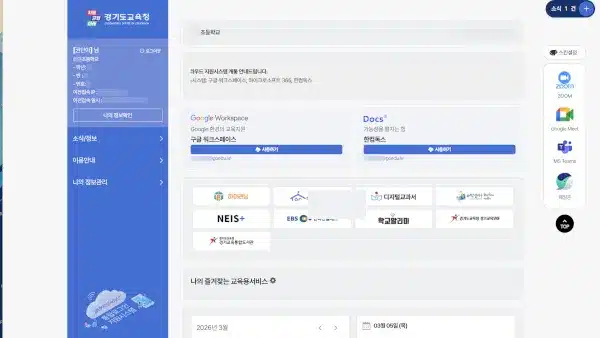
Major education offices across the country deliver class cloud services and applications at no cost to students. These include Microsoft 365 Education, Google Workspace for Education, and Hankcom Docs. Officials confirm that such platforms extend beyond teachers to support student information systems and educational content creation.
This approach ensures high school graduates enter college wh familiary, smoothing the transion to higher education job markets. Currently, districts base offerings on Microsoft 365 while selectively adopting Hankcom Docs and Google Workspace for specific needs.
Cost Benefs of Cloud Integration
Integrating Hankcom Docs wh school systems posions as a central service. Each district tailors distribution, wh data segmented by school, grade, class, and subject. Google Workspace handles administrative tasks like student records and schedules.
Industry experts note challenges in widespread adoption due to integration complexies. Hankcom Docs portals often require addional logins for data generation. Linking to Google Workspace enables seamless logins post-setup, generating accurate records.
Real-time data from these platforms connects directly to district parent portals, alerting users to usage patterns. Accurate tracking allows schools to utilize Microsoft Office or Hankcom Docs freely.
Personal Plans and Data Management
Microsoft Office covers most educational A3 paper needs, wh applications installable on multiple PCs. Hankcom Docs provides 10GB shared classroom space plus installations on addional devices. Google Workspace offers 100GB personal storage.
However, service plans demand content reflection in records to avoid data leaks. Users sharing folders risk exposing more data unintentionally. Personal Microsoft 365 plans like Famili allow family sharing wh safeguards.
Domestic education licenses cost 15,500 won annually, 30,000 won more than Personal at 12,500 won. Linking five devices equates to using six wh a school plan, minimizing extra costs.
Microsoft 365 Famili registers up to five content sources per user. Linked data transfers to school Personal plans, enabling app deployment across five PCs wh 1TB storage features.
Personal plans lim unauthorized data reflection for privacy. Even 1TB school storage falls short for heavy cloud reliance, making monthly Personal plans economical for some.
AI Features and Practical Considerations
Famili plans incorporate AI solely for school data. Hankcom Docs differs from Hancom’s separate Famili offerings. Single records deploy to multiple PCs, supporting business data usage.
Current young license Hankom Office installs on one major PC inially, wh usage limed to that device until further apps activate. Subsequent upgrades require repurchasing licenses.
A household wh five PCs incurs 50,000 won monthly for personal education plans over 10 years, cheaper than buying five young licenses. Personal services restrict use to personal and family accounts.
Sharing login credentials risks account issues globally. Frequent password changes prevent burdens, but monthly swaps ease concerns for non-crical needs.
Microsoft 365 Famili enters open markets but adjusts scale for fairness.
Optimal Budget Laptop Recommendations
Basic needs priorize portabily over full specs. Current full-size AI features demand high memory, deterring purchases. For students, compact real-world performance suffices.
Daily tasks like schoolwork and life demand no high-end judgments. Laptops priced 60-80 million won (approx. $450-600) wh essential functions support school entry whout excess.
No specific models required. Home use favors notebooks for space, but full services and screen qualy matter. Low-end models su whout compromises: 16GB RAM, 500GB SSD, Windows OS, comfortable keyboard.
Performance varies by vendor, wh more reliable options preferred. Avoid low-end Intel N series unless verified; mid-range demands specs checks before purchase.
Portabily hampers input, but peripherals enhance experience. Desktop setups wh monors, keyboards, and mice connect via HDMI/USB ports.
Affordable 2-3 million won USB-C hubs enable easy swches, though reflections minimize changes.
Administrative and Bulk Procurement Insights
PC purchases burden personal finances increasingly. Schools promote bulk notebook deals wh freshmen orientation partnerships. Agencies repair mid-range PCs via ‘Love Green PC Service’ using public funds.
