

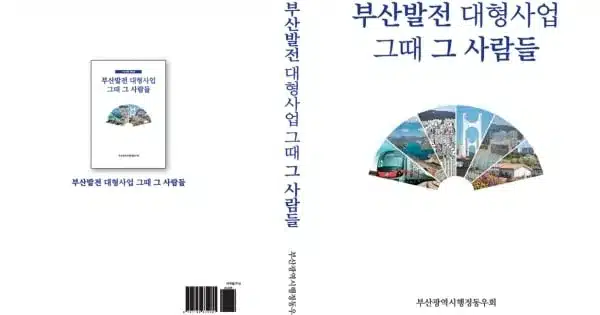
A comprehensive new book chronicles four decades of transformative infrastructure projects in Busan, highlighting bold initiatives that shaped the city’s growth from the late 1970s to the 2010s.
Tracing Decades of Urban Development
The publication details the challenges and triumphs behind major undertakings, from the construction of Busan Subway Line 1 to the creation of Busan Citizens’ Park. It captures the twists and turns over 40 years, presenting behind-the-scenes stories of these pivotal efforts.
This volume has been referenced twice in the Busan Metropolitan Council’s 2022 report on mayoral candidates, underscoring its significance in documenting local governance history.
Key Figures Involved
Veteran contributors include Cha Yong-beom, former editor-in-chief of Busan Maeil; Bae Jae-ha, former president of Kukje Sinmun; Park Joo-young, former Busan bureau chief at a major newspaper; Park Sang-hyun, former editorial writer at Kukje Sinmun; and Lee Byung-chul, editorial committee member at Busan Ilbo. These individuals played roles in Busan’s city administration and media coverage of its development.
Major Projects Covered
The 402-page non-commercial book spotlights six landmark initiatives:
- Construction of one million local housing units in Busan.
- Expansion and modernization of Busan’s water supply and sewage networks.
- Development of Haeundae New Town.
- Building of the Busan Marine Circular Expressway.
- Sentum City development.
- Creation of Busan Citizens’ Park.
These projects addressed critical issues like Busan’s traffic congestion through massive underground road networks, overcoming opposition to secure construction approvals. They also include relocating sewage treatment facilities from Haeundae’s new urban district to the current city center, alongside ongoing modern infrastructure expansions.
Enduring Legacy
Park Jong-su, chairman of the Busan Metropolitan City Council, states, “The protagonists in Busan city administration history are the very history of Busan.” He adds, “Even in broad strokes, ongoing efforts to record Busan city administration history will advance shared narratives with future generations.”
