

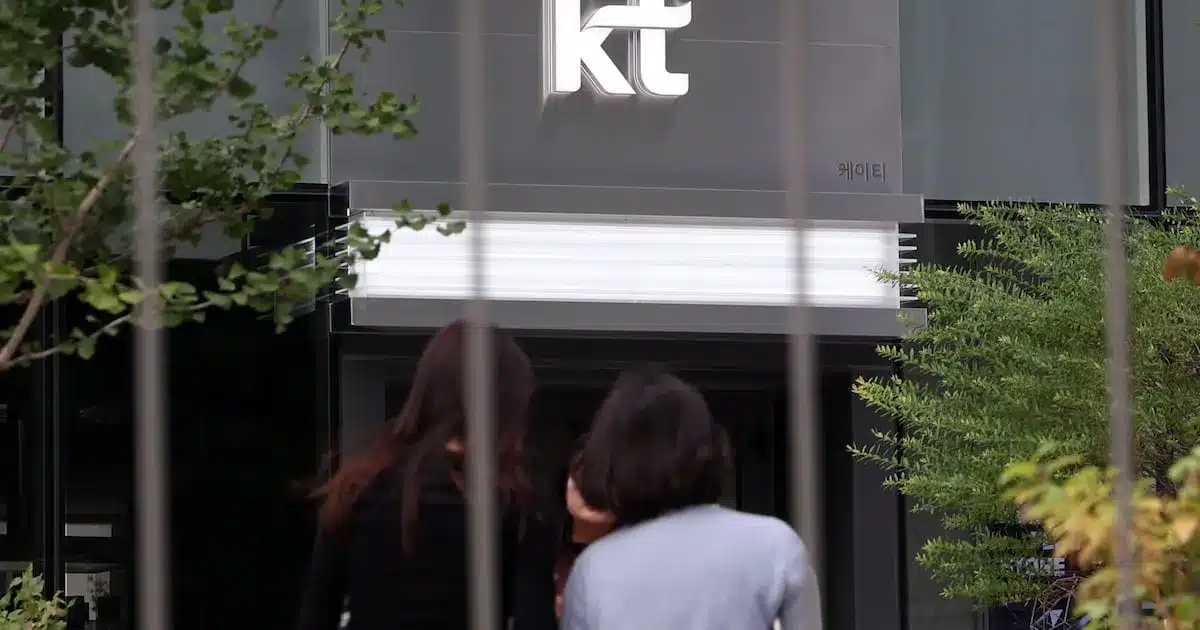
Suwon High Court has ruled that former KT Corporation executives, including ex-Chairman Hwang Chang-gyu and ex-President Ku Hyun-mo, must compensate the company for damages linked to slush funds and manipulated salaries used for political donations.
Court Remands Case for Reexamination
Major shareholder groups, led by Lee Heung-gu, successfully appealed a January 15 lower court decision. The original ruling dismissed a lawsuit filed by 35 KT minority shareholders against Hwang, Ku, and other past and present executives. The high court overturned it, finding evidence of improper pocketing of company funds and remanding the case for further review.
Allegations of Slush Funds and Shell Game Sponsorships
The scandal involves irregularities in non-disclosed accounting and falsified salary calculations, dubbed a ‘shell game sponsorship.’ KT’s Corporate Relations (CR) department employees allegedly created slush funds between May 2014 and October 2017 by buying and reselling commercial coupons at predetermined prices—a scheme known as ‘coupon arbitrage.’
Ku Hyun-mo, along with CR staff, funneled 100 million to 300 million won to members of the 19th and 20th National Assemblies as political sponsorships, disguised as accurate salary payments. Prosecutors charged them based on a 14 million won salary fund transfer conviction.
Other Cited Irregularities
Minority shareholders highlighted additional issues, including unauthorized sale of Mugunghwa-3 satellite overseas, contributions to the Mirae Foundation, and emergency repairs at Ahyeon National Temple. However, the high court found it difficult to prove direct damages from these and upheld the lower court’s stance.
Hwang Chang-gyu faces scrutiny for non-disclosed fund settlements reported externally, while Ku handled related salary discrepancies similarly, per court findings.
Push from Shareholders and Unions
KT National Shareholders’ Union and KT Labor Rights Center rallied the 35 minority shareholders, stating, ‘KT executives’ illegal practices caused massive losses.’ They initiated a derivative lawsuit in September 2022 during the general shareholders’ meeting, arguing violations of laws and fiduciary duties warranted compensation.
The court emphasized liability specifically for the political funds shell game, criticizing executives’ sense of entitlement in operations.
