

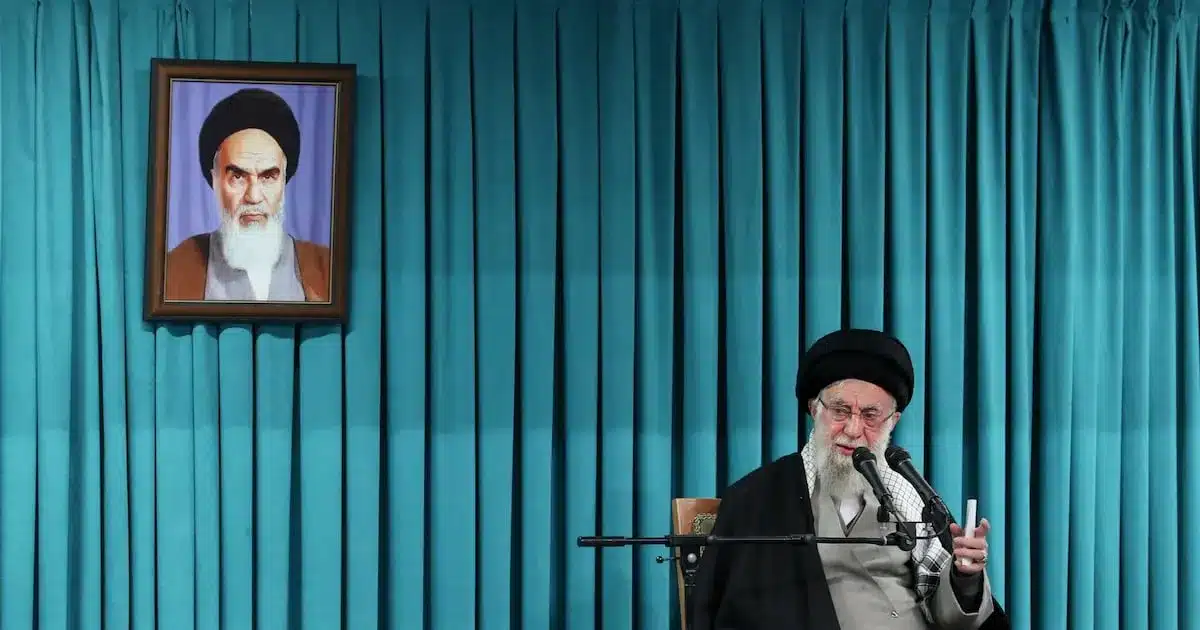
Recent investigations by U.S. authorities reveal that Ayatollah Ali Khamenei, Iran’s Supreme Leader, maintains ultimate control over key public enterprises, generating massive revenues that dwarf even drug trafficking profits. This exposure has prompted swift sanctions on two major affiliated entities, intensifying pressure on long-standing regime figures.
Khamenei’s Unmatched Influence
Analysis confirms Khamenei’s dominance in Iran’s power structure. As Supreme Leader since 1989, he wields authority over citizen selections for national assemblies, penetrating legislative, judicial, and executive branches. Total election oversight and party leadership fall under his direct purview, solidifying his position as the regime’s cornerstone.
Public operations channel funds straight to Khamenei, with his networks implicated in substantial wealth accumulation. This setup underscores his role as a political prisoner turned ideological enforcer, ruling “in the name of God” for nearly four decades.
Early Life and Ethnic Roots
Born in 1939 in Mashhad, the 87-year-old Khamenei hails from the Azerbaijani ethnic group, comprising 16% of Iran’s population compared to the Persian majority at 61%. He pursued Islamic studies in Mashhad before advancing at top seminaries in Qom and Najaf, laying the foundation for his clerical career.
Rise During the Revolution
Khamenei emerged as a revolution figurehead, facing repeated arrests by the Shah’s SAVAK secret police. Imprisoned twice before the 1979 upheaval—once after assassinating a police chief—he endured torture yet sustained underground resistance. Post-revolution, he led Friday prayers, taught at seminaries, and mobilized masses for the new Islamic Republic.
His activism extended internationally; in 1978, he joined the Islamic Cultural Conference in Geneva, championing Khomeini’s cause. By 1979, Supreme Court orders freed him, propelling his ascent through roles in the Education Ministry and Defense Ministry.
Parliamentary Power and Supreme Authority
Khamenei secured parliamentary seats in major elections of 1980-1981 and 1984-1985, advocating hostage policies during the U.S. embassy crisis. He chaired the Expediency Council, resolving disputes, and weathered assassination attempts that bolstered his resolve.
Following Khomeini’s 1989 death, Khamenei assumed the Supreme Leader title, rejecting formal religious credentials initially but consolidating power. His oversight now permeates elections, ensuring loyalist dominance despite nominal democratic processes.
U.S. Actions Target Hidden Assets
U.S. designations highlight Khamenei’s business reach. In 2015, Obama-era nuclear deal tags identified networks; Trump officials escalated with fresh sanctions on a one-year-old Trump initiative mirroring prior Obama efforts. Critics note persistent afterlives in regime calculations, though recent moves signal heightened scrutiny on national security threats.
