

Introduction to Yogyakarta’s Culinary Scene
Yogyakarta stands out for its rich heritage and classic dishes like gudeg, a slow-cooked jackfruit stew, and brongkos, a hearty meat and beans stew. Beyond traditions, the city thrives as a modern hub for innovative food, coffee, and dessert experiences. This guide highlights standout spots to inspire your next visit.
Bakeries
Bakpia, Yogyakarta’s iconic flaky pastry similar to Singapore’s tau sar piah, dates back to the 1940s and reflects cultural influences from Chinese immigrants adapted for local tastes. Now, the city features European-style bakeries offering high-quality baked goods in inviting, budget-friendly settings.
Sena – Kopi and Patisserie began as a seven-bedroom guesthouse run by a French-Indonesian couple in Kasongan, near the city center. During the pandemic, they pivoted to a home bakery that complements the inn. Enjoy French classics like madeleines, apple crumble, and quiches paired with local coffee in a traditional Limasan house, evoking a relaxed afternoon at a friend’s home.
In Kotagede, a historic district outside the center, Dapur Uthi of Sourdough welcomes visitors like a warm family gathering, with fresh bread aromas filling the air. Owner Uthi bakes in her kitchen while chatting with guests. She launched online sales of sourdough items, such as country bread and chocolate bagels, initially for takeaway. In 2024, she added a dine-in area in her front yard and opened a small outlet near Pasar Ngasem for easier access.
My Little Warung started as a compact two-story bakery in Prawirotaman, Yogyakarta’s trendiest street, and recently expanded to a larger space with a modern kitchen designed by Kanca Studio. Signature tartelettes in flavors like lemon meringue and strawberry draw from owner Anais Pratt’s Parisian family recipes. Savor quiches if time allows, or opt for the all-day breakfast menu from 7am to 5pm, featuring eggs benedict and French toast.
Restaurants
Yogyakarta’s welcoming vibe suits communal dining perfectly. At Bhumi Bhuvana in the city center, the Magic Table events bring home cooks to share heartfelt meals with up to eight people. Curated by Bukhi Prima, this Prawirotaman spot acts as a culinary archive, showcasing Indonesian regional flavors like Acehnese Sambal Udeung and black sapote mousse.
In Sleman’s residential zone, Febri and Rafida at Tepikota revive recipes from the historic Mustikarasa cookbook for up to 20 daily guests in Rafida’s grandmother’s house. What began as a pandemic initiative now includes communal tables and classes. Recent menus featured grilled mackerel in creamy pecel sauce, Balinese spiced chicken sausage, and stuffed tomatoes. “So far, we have tried about 200 of the 500 recipes in Mustikarasa,” Febri notes. He captures each dish through food illustrations.
Jiwajawi, meaning Soul of the Archipelago, offers self-taught chef Laire Siwi Mentari’s takes on national favorites. Try Central Java’s ikan mangut asap, smoked fish in spicy coconut milk, or West Sumatra’s ayam lado ijo, chicken in green chili sauce. Unique twists include sup tahu kecombrang, tofu soup with ginger flower, and vegan nasi campur with papaya flower stir-fry, steamed jackfruit, and corn fritters. The Bangunjiwo location feels like an enchanted forest retreat, spanning two hectares with wooden and limestone structures designed by architect Eko Prawoto amid towering trees.
French chef Kamil, who moved to Indonesia in 2008, has drawn food enthusiasts since opening Mediterranea in 2012. It specializes in French and Mediterranean cuisine, with daily fresh croissants and danishes from an in-house bakery. The adjacent Masama by Kamil blends Asian elements into Western techniques, highlighting duck skewers with tomato paste, grilled potatoes, and green chili sauce, plus sardines in Basque-style aromatics and olive oil. Masama suits casual lunches with bold, crowd-pleasing flavors.
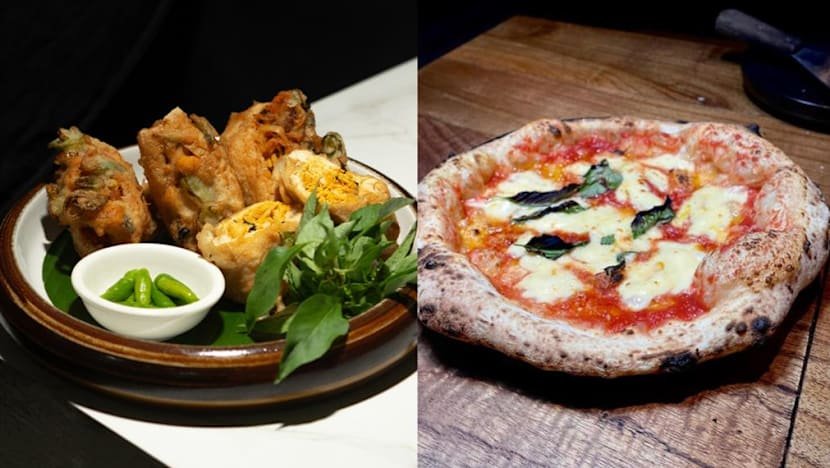
Hidden in Sleman’s northern residential area, Fransis Pizza draws dedicated fans for Friday and Saturday dinners, requiring advance dough bookings. At the bar, watch chef-owner Fransis Magastowo craft pizzas in his custom dome oven using homemade cheese and homegrown rocket. Formerly a director of photography, Magastowo turned to pizza during the pandemic, transforming his family backyard into a full-time venture.
Arts professionals Marcellina Dwi Kencana and Wulang Sunu channel their Southeast Asian travels into Parot Siramami, a cozy spot serving Thai khao soi and Singaporean mee pok amid Sunu’s colorful artworks. The eatery hosts rotating exhibitions by young artists and pop-ups from independent cooks.
For evening vibes, Tusen in the emerging Kotabaru district transports guests to the Gatsby era in a historic house. Cocktails like the Negroni-inspired Ode Puspita and Tequila-based Sisi Ria incorporate playful Indonesian names. It doubles as a listening bar three nights weekly with vinyl records and features pop-ups from top talents like Cosmo Pony and mixologist Demitria “Demi” Dana Paramita of HATS.
Coffee Shops
Yogyakarta boasts around 9,000 coffee shops for its 3.8 million residents, with even more likely. Google Maps overflows with options, but a few shine brightly.
Klinik Kopi earns its reputation as the pioneer of slow bars. Mornings see queues on its bamboo-shaded terrace, where patrons await calls from coffee expert Pepeng. Pair brews with his wife’s pastries, like Earl Grey scones or cheesecake with homemade blueberry jam.
Pitutur Kopi, born as a central book cafe, now thrives in a northern residential spot. True to slow bar style, it skips added sugars but embraces trends like the popular London Fog.
To Be Honest Coffee Roaster shifted from bean supply to slow bar service in 2023. In a spacious suburban warehouse, barista-owner Hilmi excels in pour-overs from beans in Gayo, Flores, Argopuro, and Kerinci regions.
Newcomer Wijen Coffee secures a spot among elites with curated beans and precise brews. Owner Chandra refreshes selections monthly for varied tastes. His cappuccino pairs ideally with a fresh plain croissant from his wife.
