

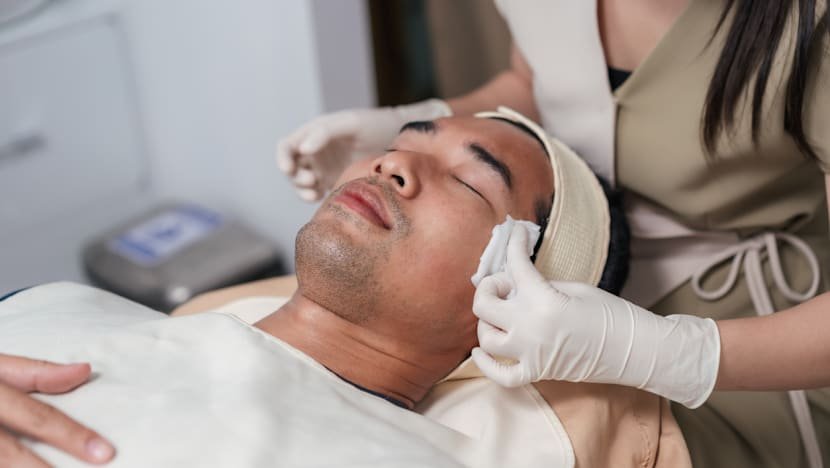
In Alberta, Canada, the recent buzz around actor Hudson Williams’ skincare habits highlights a growing trend. Following the debut of the popular series Heated Rivalry, the 24-year-old actor shared a detailed five-step Korean beauty routine in a widely viewed video. This regimen features a precise shave, deep cleansing, pore treatments, a hydrating toner, and targeted serums for facial and body rejuvenation. The 20-minute clip, filled with light-hearted jokes about vanity, has garnered over 500,000 views, nearly 2,000 comments, and 36,000 likes on YouTube.
A Cultural Shift in Male Grooming
Williams’ routine reflects a broader evolution in how men approach personal care amid a visually driven digital world. From fashion tips and fitness plans to hair and skin advice, men increasingly prioritize their looks. Yet, they often reframe these efforts as health, fitness, or self-improvement rather than outright beauty pursuits.
Beauty Pressures Extend to Men
Research into online trends reveals how appearance influences young people, drawing from viral content, ads, and audience reactions. Traditionally, women faced intense scrutiny to align with evolving beauty standards. Now, men experience similar demands, with ads showcasing male bodies and a surge in grooming products designed for them.
Young men, in particular, adopt elaborate routines for skin and hair maintenance, inspired by social media influencers who stress the value of a polished, energetic appearance. This parallels long-standing female practices. Additionally, cultural emphasis pushes men toward muscular builds, with influencers promoting workouts, diets, and supplements for enhanced physiques.
Risks of Extreme Appearance Enhancements
While many tips promote healthy habits, some men turn to riskier methods under terms like “looksmaxxing,” which aims to refine facial features. Techniques such as “mewing” for jawline improvement or the hazardous “bone-smashing” gain traction online, fostering an intense focus on attractiveness.
Studies, including work by medical researcher Daniel Konig, highlight this as bordering on obsession, leading to body image issues. Reports show rising cases of muscle dysmorphia, where men perceive themselves as insufficiently strong or large. In the UK, analyses note boys facing online pressure to project hyper-masculine images, emphasizing dominance and muscle display.
Insights from Youth Studies
Ongoing studies with university students at institutions like the University of Toronto and MacEwan University uncover comparable dynamics. Participants acknowledge widespread appearance anxiety, with men feeling the weight of social media comparisons to influencers’ ideals. Platforms amplify feelings of inadequacy regarding body and style.
However, men rarely frame these challenges as beauty-related. Viewed historically as a feminine realm, beauty carries stigma as superficial. In reality, attractiveness yields social and professional advantages, often requiring investment in products or procedures.
Booming Market for Men’s Beauty Products
The men’s segment offers vast commercial potential, with spending on grooming and skincare on the rise. Data from market analyst Mintel indicates over half of men now use facial products, led by Gen Z’s preference for premium, natural options. Projections suggest the global men’s beauty market, encompassing skincare and grooming, will surpass $5 billion by 2027, contributing to the industry’s $450 billion scale.
Men’s uptake of advanced treatments grows too. The American Academy of Plastic Surgeons reports increased interest in surgeries, body enhancements, and non-surgical options like fillers and Botox, underscoring beauty’s pervasive impact.
