

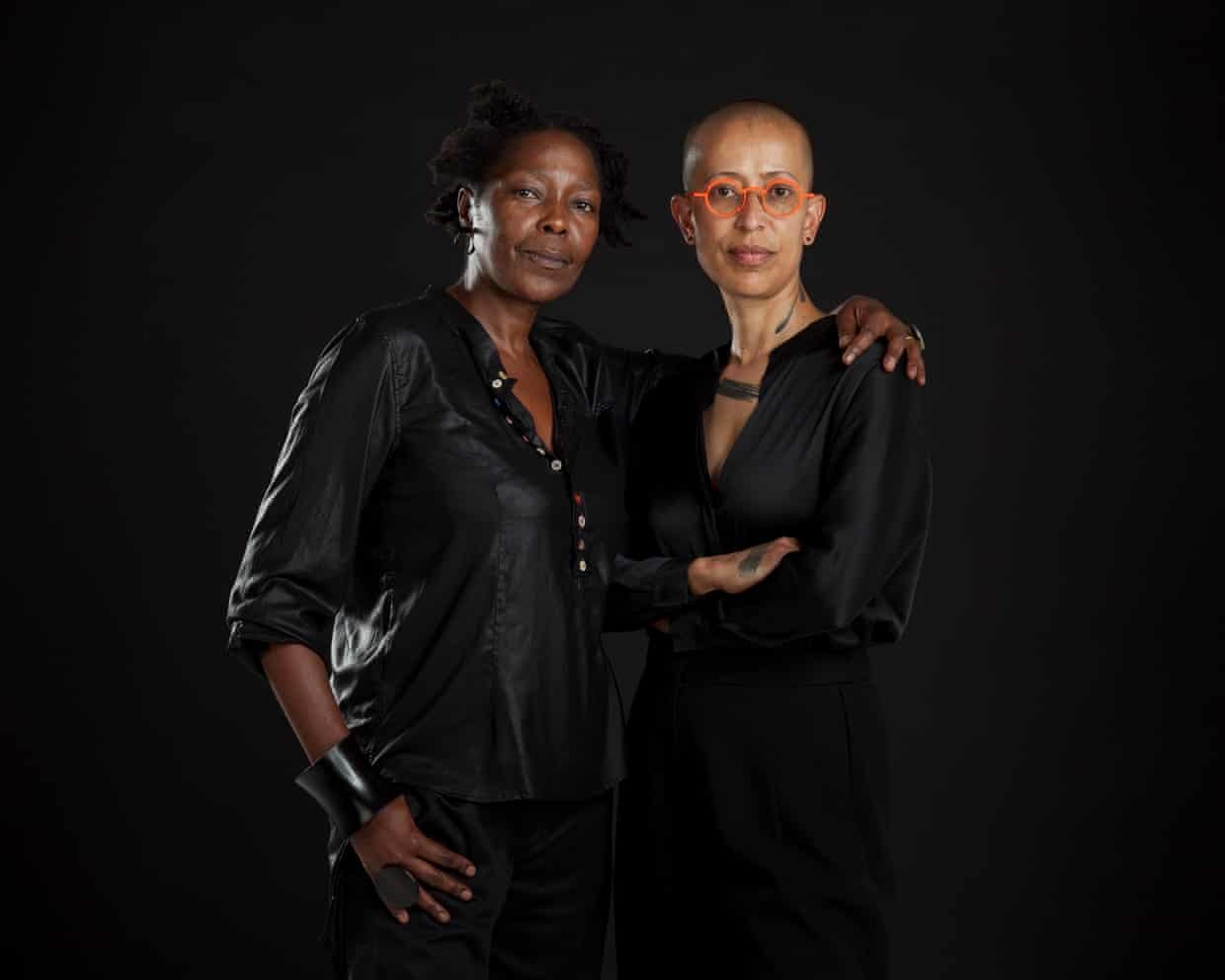
A South African artist has launched a lawsuit against the arts minister for preventing her from representing the nation at the Venice Biennale, citing his description of her work on Israel’s actions in Gaza as “highly divisive.” Gabrielle Goliath, along with curator Ingrid Masondo and studio manager James Macdonald, filed the legal action last week. The suit claims the minister’s decision was unlawful and infringed on freedom of expression rights, seeking a high court order to restore her participation before the February 18 deadline for finalizing installations with Biennale organizers.
Details of the Artistic Work
Goliath’s proposed installation features her video series Elegy, which honors victims through performances by female singers stepping onto a dais to vocalize a single note. One segment pays tribute to Palestinian poet Hiba Abu Nada, killed with her son in an Israeli airstrike on Khan Younis on October 20, 2023. Additional videos commemorate Ipeleng Christine Moholane, a 19-year-old murdered in South Africa in 2015, and two women affected by the German genocide in Namibia. The work, exhibited for over a decade, addresses themes of grief and recognition of lives lost.
Goliath expressed her determination, stating, “We hope to reclaim the pavilion, which we believe is rightfully ours. But more importantly than that, it is the significance of the work … that speaks far more eloquently to these very difficult questions of whose life is recognised as a life worth grieving after.”
Minister’s Rationale and Concerns
Arts Minister Gayton McKenzie outlined his objections in statements from December 22 and January 2. In the first letter, he described the subject matter as “highly divisive in nature and … related to an ongoing international conflict that is widely polarising.” The second letter added that it would be “not wise or defensible for South Africa to support an installation against a country currently accused of genocide, while we as South Africa are also fielding unjustified accusations of genocide.”
South Africa’s government initiated a case against Israel at the International Court of Justice in 2023, alleging genocide in Gaza. Prior to his Patriotic Alliance joining the national coalition in 2024, McKenzie had publicly stated there was “no genocide” of Palestinians.
McKenzie’s concerns also stemmed from reports of potential foreign funding. Officials noted an inquiry from Qatar Museums about supporting South Africa’s pavilion and acquiring the artworks, though Goliath’s affidavit confirms these discussions did not proceed. In response, Goliath rejected the implications, saying, “I utterly reject the accusation of foreign capture,” and labeled it a “damaging conspiracy theory.” McKenzie’s office suggested the platform was being “used as a proxy by a foreign power to endorse a geopolitical message about the actions of Israel in Gaza.”
Public and Political Backlash
The minister’s decision has sparked significant outrage within South Africa’s arts community. Artists, writers, and non-profits have signed open letters denouncing the removal, while the Democratic Alliance, a coalition partner, referred the matter to the public protector for investigation. Neither the minister nor his department has announced alternative plans for the Venice pavilion.
The Venice Biennale alternates annually between art and architecture, featuring a central exhibition alongside national pavilions organized by participating governments. In 2024, 86 countries took part.
Similar International Precedent
In a related development, Lebanese-Australian artist Khaled Sabsabi was restored as Australia’s representative for the 2026 Biennale in July 2025. He had been initially dropped in February amid controversy over past works, including depictions of former Hezbollah leader Hassan Nasrallah and a video interpretation of the 9/11 attacks.
