

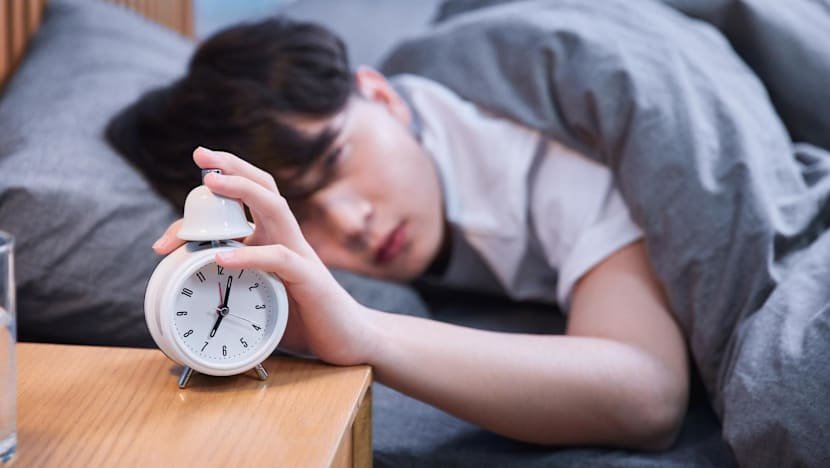
Common Habit Among Sleepers Worldwide
A recent global study tracked the sleep patterns of over 21,000 adults for six months using smartphone data. The findings reveal a common behavior: on more than half of the recorded nights, participants pressed the snooze button an average of 2.4 times before rising. Snoozing typically involves setting multiple alarms at short intervals to gain extra moments of rest before starting the day.
Certain individuals tend to snooze more frequently, including night owls, those who feel groggy upon waking, and people who experience frequent nighttime awakenings.
Why Experts Criticize the Practice
Sleep scientists and physicians often point out potential drawbacks of snoozing. It may diminish the duration of rapid eye movement (REM) sleep, a vital stage that supports brain health, memory consolidation, emotional processing, and creativity. REM sleep predominates in the later parts of the night and early morning.
Setting an alarm earlier to accommodate snoozing could interrupt a REM cycle. Subsequent dozes often lead to lighter, non-REM sleep, which feels more disjointed and less rejuvenating, according to Rebecca Robbins, a sleep scientist at Brigham and Women’s Hospital in Boston.
However, evidence remains limited on whether brief morning REM interruptions significantly impact daily brain function or overall well-being. Cathy Goldstein, a clinical professor of neurology at the University of Michigan Medical School, notes that losing just a few minutes of REM sleep likely does not cause major harm.
Snoozing becomes problematic if it leads to irregular wake-up times. Delaying rise by over 30 minutes on some days can disrupt the body’s circadian rhythm, complicating consistent sleep and wake schedules in the future, Robbins explains.
Snoozing as a Sign of Deeper Issues
For many, snoozing serves as a temporary fix for underlying sleep challenges or disorders. Shelby Harris, a clinical associate professor of neurology and psychiatry at the Albert Einstein College of Medicine in New York City, observes that insufficient sleep or low-quality rest prompts people to seize brief extra rests.
Conditions such as insomnia, restless legs syndrome, narcolepsy, and sleep apnea increase the likelihood of snoozing. Certain medications, including trazodone, diphenhydramine (Benadryl), gabapentin, or quetiapine (Seroquel), can also induce morning drowsiness, leading to the habit.
Using snoozing to mask these problems may delay proper treatment. Harris recommends improving sleep hygiene for a week—by avoiding caffeine, alcohol, and naps late in the day; sticking to a fixed schedule; and ensuring a quiet, dark bedroom—to assess improvements. If issues persist, consulting a primary care doctor is advisable.
Potential Upsides of Snoozing
Emerging research hints at advantages for some people. Goldstein highlights that consistent snoozers who maintain steady sleep routines and exhibit signs of good rest—such as feeling alert in the morning and avoiding afternoon slumps—may benefit.
A 2023 lab study involving 31 regular snoozers showed that the practice linked to stronger cognitive performance right after waking, compared to immediate rising. By concluding sleep in a lighter stage, snoozing can lessen initial grogginess and motivate quicker starts to the day, Goldstein suggests.
Still, broader research is essential. If chronic difficulty rising stems from a sleep disorder, addressing the core issue with medical advice is preferable to relying on snooze buttons.
