

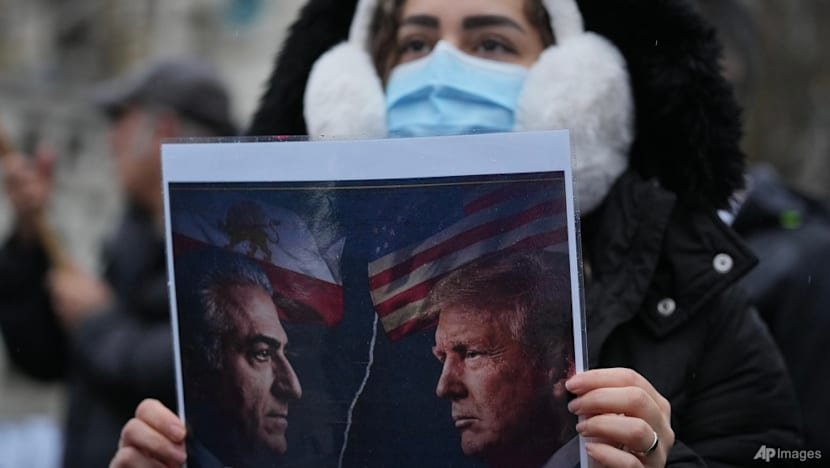
Speculation is mounting over increased US naval deployments in the Gulf, raising concerns about potential escalation toward conflict with Iran. President Donald Trump has issued stern warnings of severe repercussions unless Iran halts uranium enrichment indefinitely, reins in its ballistic missile development, and ceases backing regional proxy forces. However, current developments suggest calculated posturing rather than imminent warfare.
Trump’s Commitment to Avoiding Endless Conflicts
President Trump’s political platform, which secured victories in 2016 and 2024, centers on withdrawing from prolonged overseas engagements and steering clear of expensive foreign entanglements. A full-scale confrontation with Iran embodies the very quagmires he vows to escape. Such a clash would likely extend over years, drawing in neighboring nations, and prove elusive for any clear triumph. For a leader defined by domestic focus and international caution, initiating war with Iran would undermine his core foreign policy principles.
Iran’s Defenses Against Invasion
Iran’s military strategy, honed since the 1979 revolution, prioritizes endurance against external aggression. Instead of conventional armies for direct battles, Tehran emphasizes unconventional tools like missiles, proxy militias, cyberattacks, and denial tactics including air defenses, mines, speedboats, drones, and jamming systems. Assailants would encounter sustained resistance and mounting expenses across various fronts.
Analogies to the 2003 Iraq invasion fall short. Iran boasts greater size, population, unity, and readiness for drawn-out resistance. Strikes on its soil would trigger layered countermeasures, not immediate downfall. Tehran stands equipped to weather blows while retaliating in Iraq, the Gulf, Yemen, and further afield.
The Burden of Sustained Warfare
With a defense budget nearing $900 billion annually, the US possesses the means to launch an offensive against Iran. Yet the real test involves endurance. Past engagements in Iraq and Afghanistan, totaling $6 trillion to $8 trillion in expenses—including veteran support, debt interest, and rebuilding—spanned decades and far outpaced estimates, fueling national debt growth. A larger-scale Iranian conflict would amplify these burdens.
Broad Economic and Global Repercussions
The Iraq and Afghanistan wars diverted immense resources during a pivotal shift in global power dynamics. While the US grappled with insurgencies, nations like China and India advanced in infrastructure, innovation, and growth. Today’s multipolar landscape intensifies rivalries in AI, manufacturing, and key technologies. Entanglement in the Middle East could sideline the US amid rising competition from China and other influencers.
Iran’s location amplifies vulnerabilities, controlling vital oil pathways via the Strait of Hormuz. Partial blockades could spike global energy costs, igniting inflation. For the US, this means elevated prices and weakened economy when focus on stability matters most.
Potential for Internal Iranian Unity
Military coercion might yield unintended political gains for Tehran. Despite internal grievances over economics and society, the regime excels at rallying nationalism against outsiders. Past assaults on Iranian assets by the US and Israel failed to deliver lasting blows; Tehran adapted, preserving its reach and posture.
Balancing Deterrence with Diplomacy
President Trump positions himself as a promoter of peace, highlighting achievements like the Abraham Accords and his avoidance of major wars. His recent “Board of Peace” initiative underscores this stance. Yet war with Iran threatens these gains, including stability and economic ties essential to the accords. Gulf allies such as Saudi Arabia, the UAE, and Qatar favor de-escalation, wary of chaos from past regional breakdowns that bred terrorism.
While Iran’s domestic tensions offer leverage, they do not signal collapse. Strong security forces and supporters, especially under sovereignty threats, bolster the regime.
Overall, US maneuvers and statements appear as pressure tactics, not invasion plans. This scenario differs sharply from 2003 Iraq or other precedents. Conflict promises no quick resolution or low price. The primary threat stems from errors in tense situations, where proximity heightens accident risks. Preventing escalation demands measured responses, negotiations, and acknowledgment of prohibitive costs.
