

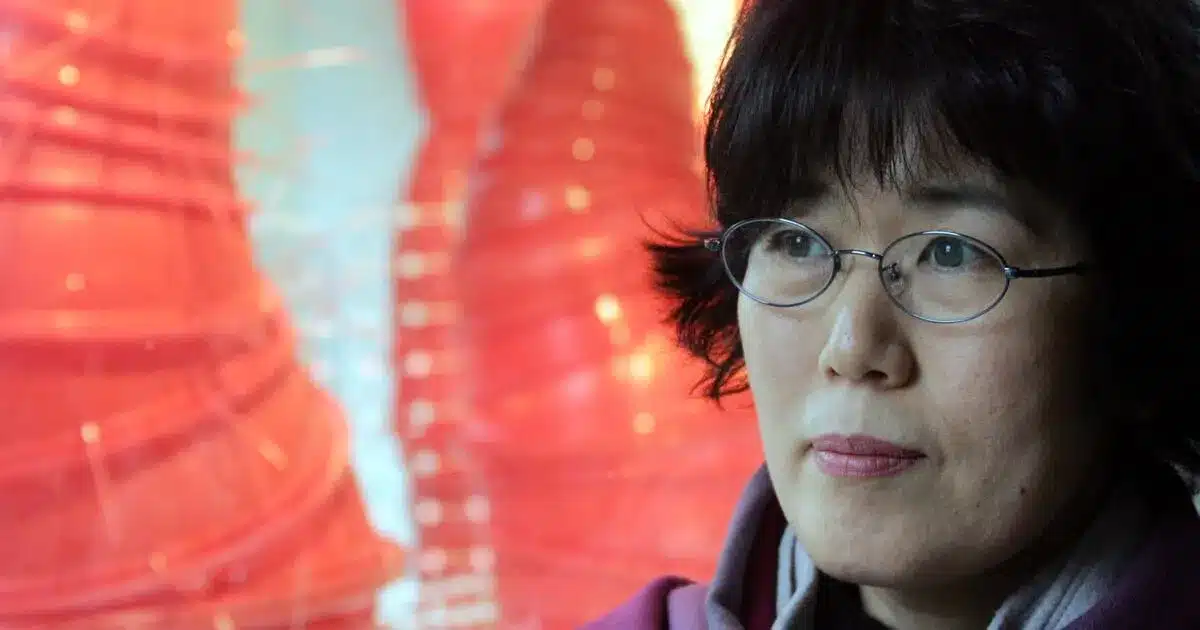
Prominent South Korean novelist Lee Hye-kyung, aged 66, faces arrest for the murders of his son and two grandchildren. Authorities charge that he locked the victims inside a room before carrying out the killings. The incident shocks the literary world, given Lee’s stature as a respected author and former pastor.
Details of the Case
Investigators describe Lee as the primary suspect in the tragic deaths. The case unfolds amid reports of his devout service as a pastor, adding layers to the profound circumstances. Police took him into custody on the 20th, confirming his direct involvement through evidence at the scene.
Distinguished Literary Career
Born in 1960 in Boryeong, Chungcheongnam-do, Lee entered national cultural heritage work early on. He debuted in 1982 with the novel Our Children’s Alley, featured in a secular literature anthology. Later roles included teacher and pastor before transitioning to full-time writing in 1995.
His notable works include That House Next Door (Munhakdongne), the long novel House of Ghosts (Minumsa), and Deeper Than Yesterday (Munhakgwa Jiseongsa).
Major Awards and Acclaim
In 2006, Lee’s novel Tumsa, published by Changbi, earned the 37th Dongin Literature Prize. The story portrays a family navigating a haunted home, where ghosts emerge from the site of the master’s death amid glimpses of everyday life. He also secured prestigious honors like the Dokil Liberal Arts Grand Prize, Hyundai Literature Prize, and Yi Hyo-seok Literature Prize.
Reflections on Literature and Life
In an online interview referencing Tumsa, Lee remarked, “It tastes bitter that humans face boundaries with other humans, houses with other houses, and people with people.” He added, “Literature cannot melt away boundaries, yet it allows us to build bridges to the other world.” Further, “Through literature, we can overcome the walls of another person or another house.”
Literary Community Response
Figures including Park Wan-seo, Yoo Jong-ho, Lee Cheong-jun, Kim Ju-young, Kim Hwa-young, Lee Mun-yeol, and Jeong Kwang-ri expressed grief. One stated, “It’s heartbreaking to witness such absence—those without means, wanderers, and the impoverished cannot even pass peacefully.” Another noted, “Some lock bodies in rented rooms and depart, gripped by desperation.”
Final Days
Lee passed away on the 22nd at 11 a.m. at Asan Hospital in Boryeong, Chungcheongnam-do. Funeral arrangements proceed from the facility.
